
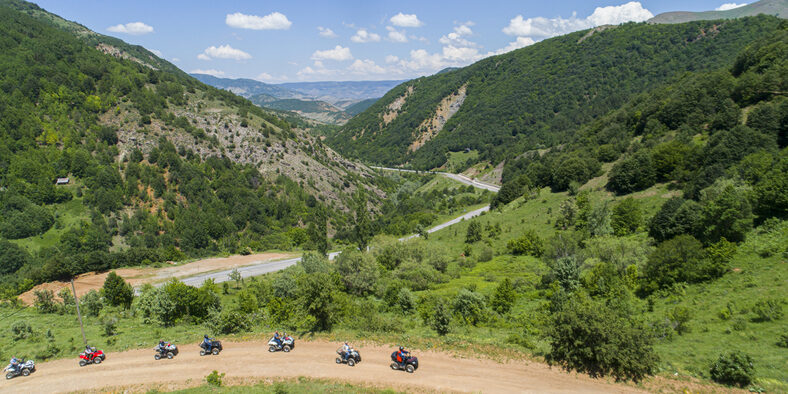
Few outdoor experiences compare to the freedom of riding a UTV through scenic trails, forests, and backcountry landscapes. Whether you’re exploring wooded paths, winding through farmland, or tackling rugged terrain, responsible trail use helps ensure these spaces remain open and enjoyable for everyone. Practicing good trail etiquette isn’t just about being polite – it’s about safety, conservation, and protecting access for future riders.
Here are some essential guidelines every UTV rider should follow to share the trail responsibly.
Stay on Designated Trails
One of the most important rules of responsible riding is staying on marked trails. Cutting new paths or riding off-trail may seem harmless, but it can cause significant damage to vegetation, wildlife habitats, and soil stability. Many trail systems exist because of careful land management and partnerships between riders, landowners, and conservation groups.
When riders respect designated routes, they help preserve the environment and demonstrate that the UTV community is committed to responsible recreation.
Yield to Other Trail Users
UTV trails are often shared with a variety of outdoor enthusiasts, including hikers, mountain bikers, horseback riders, and ATV riders. Knowing when to yield keeps everyone safe and prevents unnecessary conflicts.
In general:
- Slow down when approaching others.
- Yield to non-motorized users like hikers and cyclists.
- Give horses plenty of space and shut off your engine if necessary to avoid spooking them.
A friendly wave or quick greeting also goes a long way toward creating positive interactions on the trail.
Control Your Speed
Speed can be thrilling on open trails, but it should always match the conditions. Blind corners, loose terrain, and unexpected obstacles can appear quickly. Maintaining a safe speed allows you to react in time and reduces the chance of accidents.
Slowing down when passing other riders, approaching intersections, or traveling through populated trail areas shows respect for other users and helps keep the experience enjoyable for everyone.
Pack In, Pack Out
Responsible riders leave the trail in better condition than they found it. Always carry out any trash, including food wrappers, bottles, or gear packaging. Even biodegradable items like fruit peels can disrupt natural ecosystems and attract wildlife to busy areas.
Consider bringing a small trash bag with you on rides so you can easily collect waste along the way.
Be Prepared and Self-Sufficient
Trail systems can cover long distances, and help may not always be nearby. Carry essential supplies such as water, tools, recovery gear, and a first-aid kit. Being prepared allows you to handle minor issues without blocking trails or relying on others.
This is also where thoughtful gear storage becomes valuable. Protecting your tools and equipment from weather and trail debris ensures everything is ready when you need it.
Protect Your Gear and the Trail
A secure storage solution can make a big difference when you’re out on the trail. A durable bed cover helps keep tools, recovery equipment, and personal items safe from mud, dust, and unexpected weather.
That’s where RotoKAP comes in. Designed specifically for modern UTVs, RotoKAP bed covers provide a rugged, secure way to protect your cargo while riding. Instead of worrying about gear bouncing around or getting soaked during a muddy ride, you can focus on enjoying the adventure ahead. A covered bed also helps keep loose items contained, preventing them from falling onto the trail and creating hazards for others.
Respect Landowners and Local Rules
Many trail systems rely on the cooperation of private landowners and local communities. Always follow posted signs, respect seasonal closures, and observe local riding regulations. Riding responsibly helps maintain these relationships and keeps trails accessible for the entire UTV community.
Noise control, speed limits, and restricted areas exist for a reason – following them shows that riders value the privilege of trail access.
Set a Good Example
Trail etiquette starts with individual riders but spreads through the community. When experienced riders model responsible behavior — yielding to others, staying on trails, and respecting the environment — it encourages newer riders to do the same.
Responsible riding protects the trails we love, strengthens the reputation of the UTV community, and ensures that these adventures remain available for years to come.
So the next time you head out, ride smart, ride respectfully, and enjoy the journey knowing you’re helping keep the trails open for everyone.